




Understanding the Lifespan of Soffit and Fascia Factors That Impact Durability and Replacement Signs
Soffit and fascia are essential components of your home’s exterior, protecting your roof and walls from weather damage while enhancing curb appeal. Knowing how long these elements typically last and when to replace them can save you from costly repairs down the road. This post explores the average lifespan of new soffit and fascia, the factors that affect their durability, and the common signs that indicate replacement is necessary.

How Long Do New Soffit and Fascia Last?
The lifespan of soffit and fascia depends largely on the materials used and the quality of installation. On average:
Vinyl soffit and fascia last between 20 and 40 years. They resist rot and insect damage but can crack or fade over time.
Aluminum soffit and fascia typically last 30 to 50 years. They are lightweight, rust-resistant, and durable but may dent from impact.
Wood soffit and fascia have a shorter lifespan of 15 to 30 years. They offer a classic look but require regular maintenance to prevent rot, warping, and insect damage.
Installation quality also plays a critical role. Proper sealing, ventilation, and fastening prevent moisture buildup and structural damage, extending the life of soffit and fascia.
Factors That Affect Durability
Several factors influence how long your soffit and fascia will last:
Material Quality
Higher-quality materials resist weathering better. For example, premium vinyl with UV protection will fade less, and treated wood will resist rot longer.
Climate and Weather Conditions
Homes in areas with heavy rain, snow, or extreme heat face faster wear. Moisture can cause wood to rot and metal to corrode if not properly protected.
Installation Techniques
Correct installation ensures proper airflow and drainage. Poorly installed soffit can trap moisture, leading to mold and wood decay. Fascia boards must be securely fastened to avoid warping or detachment.
Maintenance Practices
Regular cleaning and inspections help spot issues early. Removing debris from soffit vents and repainting or sealing wood fascia prolongs their life.
Pest Exposure
Insects like termites and carpenter ants damage wood soffit and fascia. Using insect-resistant materials or treatments can reduce this risk.
Common Signs You Need to Replace Soffit and Fascia
Knowing when to replace soffit and fascia can prevent more serious damage to your home. Watch for these warning signs:
Visible rot or decay on wood soffit or fascia
Cracked, warped, or peeling material
Sagging or loose boards
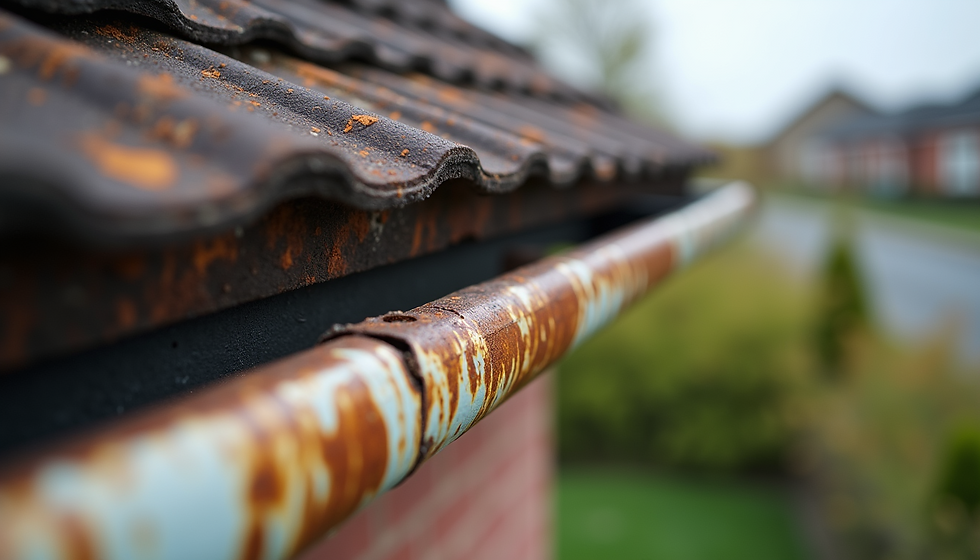
Rust or corrosion on metal soffit or fascia
Faded or chalky paint that won’t adhere
Water stains or mold growth near soffit vents
Increased insect activity around the roofline
Gaps or holes allowing pests or water inside
If you notice any of these issues, it’s time to schedule a professional inspection.
Why Timely Replacement Matters
Delaying soffit and fascia replacement can lead to:
Water damage inside walls and ceilings
Mold and mildew growth affecting indoor air quality
Structural damage to roof trusses and framing
Increased energy costs due to poor ventilation
Pest infestations that spread to other parts of the home
Replacing soffit and fascia promptly protects your home’s integrity and saves money on costly repairs.
Choosing the Right Material for Replacement
When replacing soffit and fascia, consider:
Durability: Fiber cement and aluminum offer long-lasting protection.
Maintenance: Vinyl and aluminum require less upkeep than wood.
Aesthetics: Wood provides a traditional look but needs regular care.
Budget: Vinyl is often the most affordable option.
Climate: Choose materials suited to your local weather conditions.
Consult with a professional to select the best option for your home.
How Professionals Ensure Quality Installation
Expert installers follow best practices such as:
Measuring and cutting materials precisely for a snug fit
Installing soffit vents to maintain airflow and prevent moisture buildup
Using corrosion-resistant fasteners and sealants
Inspecting for underlying damage before installation
Cleaning up debris to avoid clogging vents
Professional installation maximizes the lifespan of your new soffit and fascia.
What to Expect During Replacement
A typical soffit and fascia replacement involves:
Removing old, damaged materials carefully
Inspecting and repairing any underlying wood or structural damage
Installing new soffit panels and fascia boards
Painting or finishing wood materials if needed
Cleaning the work area thoroughly
The process usually takes one to three days depending on the home size and complexity.
Reach out to us at Serenity Roofline & Glazing for more information and a Free, No-Obligation, Quote.